
In search terms, organic growth is not just about traffic. It is about being present when people search, across time, across topics, and across different types of search experiences.
Organic growth through SEO happens when:
This kind of growth does not spike and disappear. It accumulates. That is why search has always been central to sustainable digital growth.
A lot of confusion comes from mixing these two ideas. Organic growth is the result. Organic growth strategy is the system that produces it.
In SEO, that system usually includes:
Without a system, organic growth is accidental. With a system, it becomes repeatable.
This is exactly how we approach search at ClimbinSearch. We do not start with content. We start with data.
Every few years, SEO is declared dead. What actually happens is simpler. Search evolves.
AI did not invent new signals. It uses the same ones search engines have always used:
AI search tools still rely on indexed pages, structured information, and authoritative sources. If Google cannot understand a site, AI systems will struggle even more.
That is why SEO remains the foundation. GEO builds on top of it. It does not replace it.
Classic SEO focused on rankings and clicks. AI search changes how results are delivered, not where the information comes from.
Today, search visibility happens in two connected places. First, in classic Google search results, where pages still rank, impressions still matter, and demand still shows up through queries. Second, in AI generated answers that summarize, compare, and recommend information instead of listing links.
This is where GEO comes in. GEO is about how AI systems interpret, summarize, and reuse existing content. It depends much less on creativity and much more on clarity, structure, and consistency.
If SEO makes you discoverable, GEO makes you understandable. Both are needed for organic growth today.
Do not treat AI search as a black box. Actively test brands and products in tools like ChatGPT, Google SGE, Gemini, Llama, and Perplexity to understand what is really happening.
Look at:
This type of testing shows a simple but important truth. AI search does not invent information. It selects, reshapes, and amplifies what already exists.
When content is unclear, inconsistent, or poorly structured, AI systems fill the gaps in unpredictable ways. When content is clear and aligned, AI search becomes an extension of SEO rather than a risk.
That is why GEO is not a separate strategy.
It is the natural evolution of search visibility built on top of solid SEO foundations.
Treat organic growth through search as a system with clear components. Not as a checklist.
Search data shows what people actually want, not what we assume they want.
Look at:
Search engines react to demand. They do not create it. That is why demand analysis is the starting point.
Good content is not enough if it is hard to interpret.
Search engines and AI systems prefer content that is:
Focus heavily on structure, not just writing.
Authority is not about publishing more. It is about being aligned.
Search engines and AI systems look for:
When information conflicts, trust drops. Organic growth slows down.
Structured data is no longer just a nice to have.
It helps search engines and AI systems understand:
In classic SEO, this improves appearance.
In AI search, it affects representation.
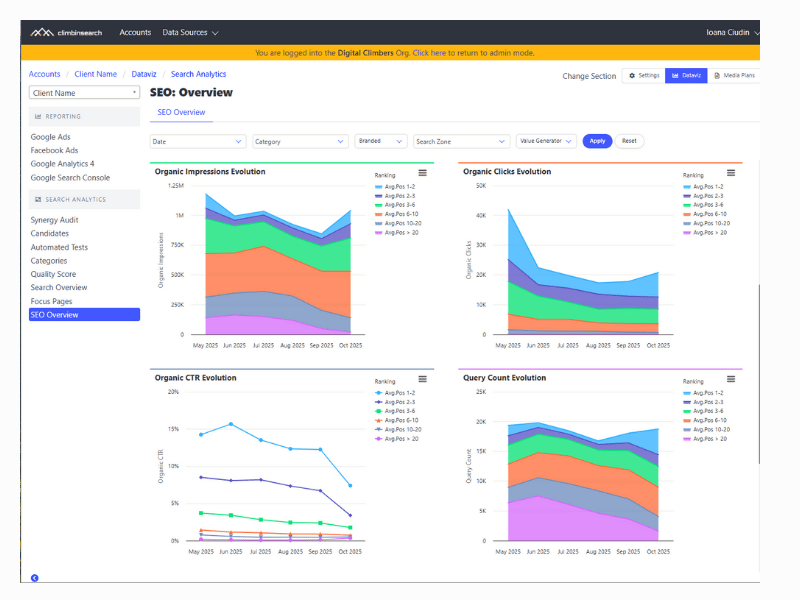
Organic growth does not show its value week by week.
Track:
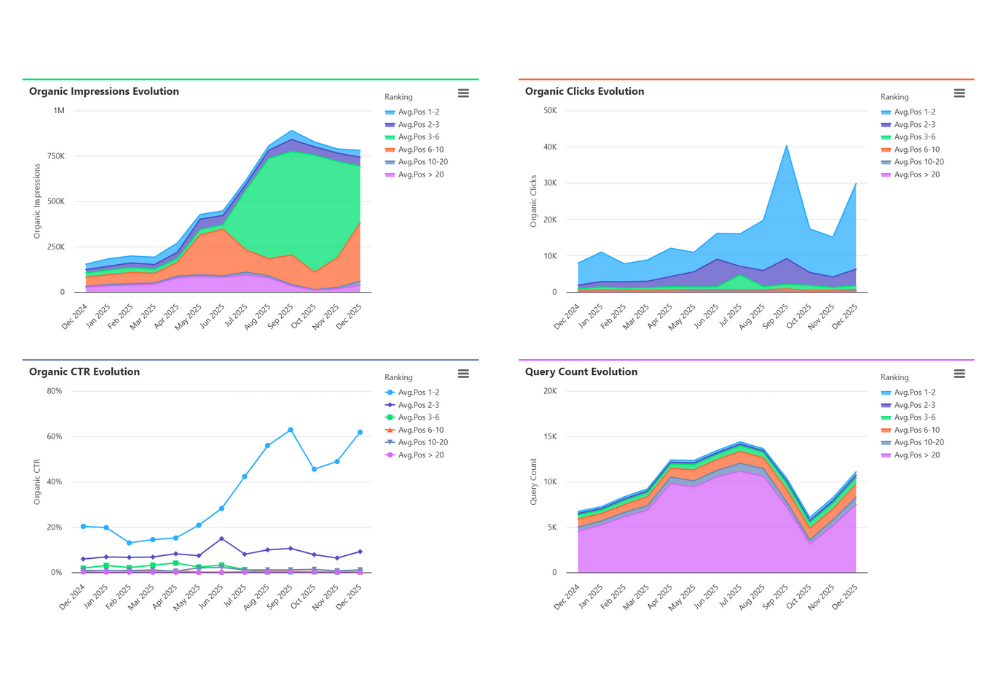
This turns SEO from a task into a growth discipline.
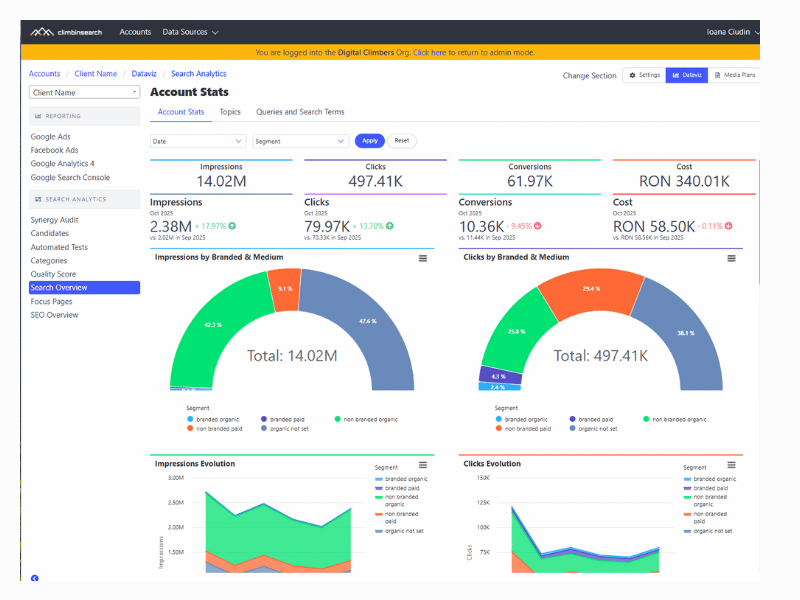
Search analytics is what connects everything.
It informs:
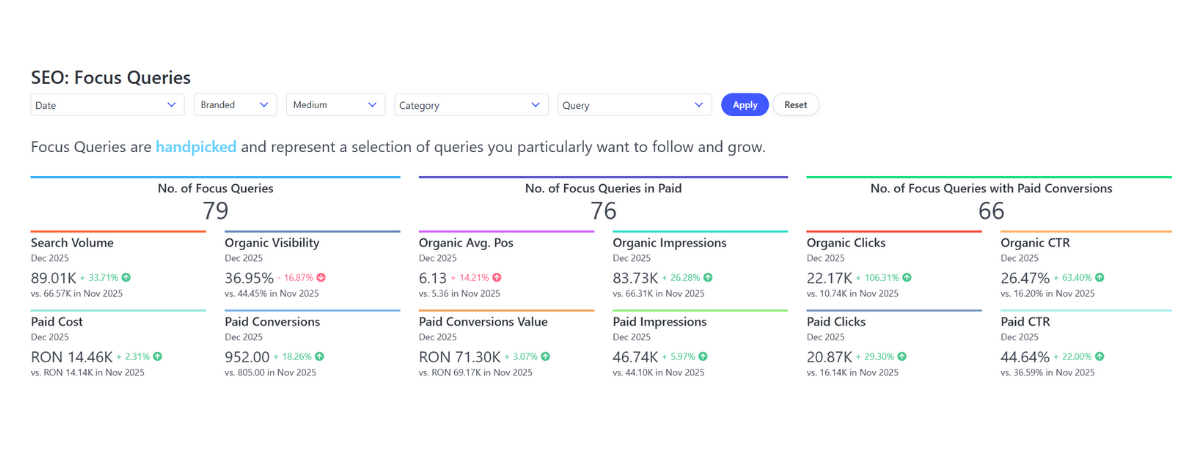
Without analytics, SEO becomes guesswork. With analytics, organic growth becomes intentional.
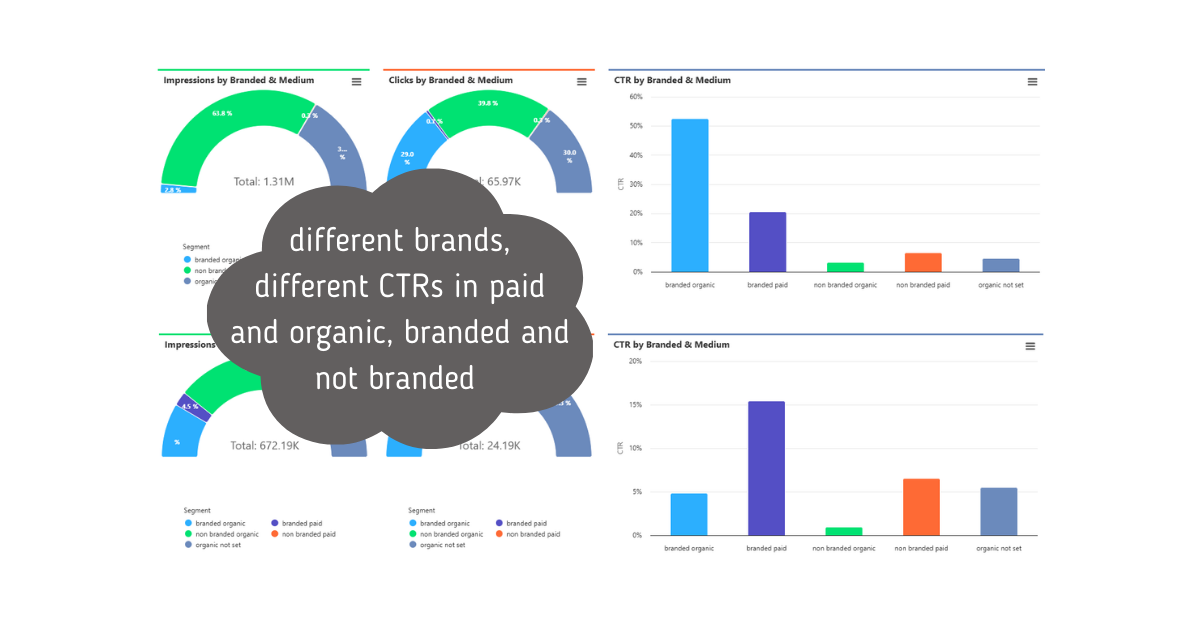
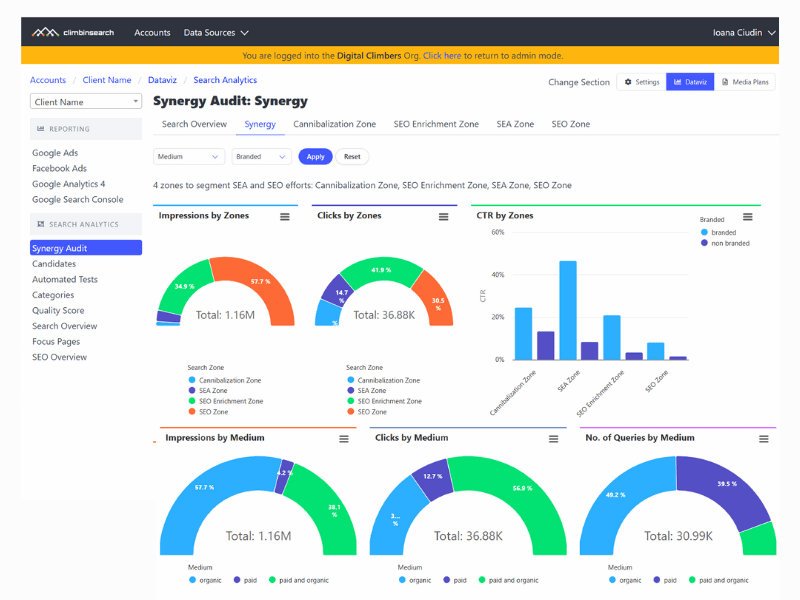
People do not search differently because a click is paid or organic.
From a growth perspective:

Organic growth accelerates when insights move between SEO and SEA instead of staying in silos.
AI search changes how people discover information. There are more summaries. More zero click experiences. Fewer direct visits. But organic growth does not disappear.
It shifts from traffic only to:
SEO ensures you are discoverable. GEO ensures you are correctly understood.
Search is still driven by people. People search. Search engines observe. AI systems aggregate.
Organic growth still comes from:
Organic growth through SEO in the age of AI is not about choosing between Google and AI tools.
It is about understanding that:
This is how we think about search at ClimbinSearch. Not as a channel. As a system that compounds over time.